Your Water dripping from return air duct images are available in this site. Water dripping from return air duct are a topic that is being searched for and liked by netizens now. You can Find and Download the Water dripping from return air duct files here. Download all royalty-free images.
If you’re searching for water dripping from return air duct pictures information related to the water dripping from return air duct keyword, you have come to the ideal blog. Our site always provides you with suggestions for seeing the highest quality video and image content, please kindly surf and locate more enlightening video articles and images that match your interests.
Water Dripping From Return Air Duct. A tiny amount of dew outside your duct is common when the air outside is hot and your AC is on. Not a split system central unit with condenser and blower and ductwork going into the house thru roof. Push the pole into the air duct and allow the rags or sponges to absorb the water. The floor wetness kind of ebbs and flows.
 All About Makeup Air Greenbuildingadvisor From greenbuildingadvisor.com
Occasional water leaks that happen only when there is heavy rain. This is ideal if the water is not pooling and can easily be cleaned by the rags. If the air vent does not fit snugly into the supply duct it is attached to air may escape around the outsides of the vent as well as through its louvers. This method involves lowering the hose of a wet-and-dry vacuum into the opening of your air duct towards where water has gathered and sucking it all out. There are two possible ways to. Next take the cover off the furnace and see if there is water in the bottom of it.
Martin Holladay editor of Green Building Advisor responds.
Next take the cover off the furnace and see if there is water in the bottom of it. There are two possible ways to. Leaks in the supply air duct system are a very common HVAC duct defect that results in poor heating or cooling air flow. Occasional water leaks that happen only when there is heavy rain. Refrigerant leaks are a concern and should be handled with the care of a professional. When this occurs condensation might build and eventually leak down causing dripping water sounds coming from your vents.
Source: greenbuildingadvisor.com
The condensate drain system collects water removed from the air during the cooling process and disposes of it into a drain. A tiny amount of dew outside your duct is common when the air outside is hot and your AC is on. The water on the downstairs furnace room floor now appears to be drying but you can still see the areas where the wetness is. See LEAKY DUCT CONNECTIONS. Not a split system central unit with condenser and blower and ductwork going into the house thru roof.
 Source: advanced-air.com
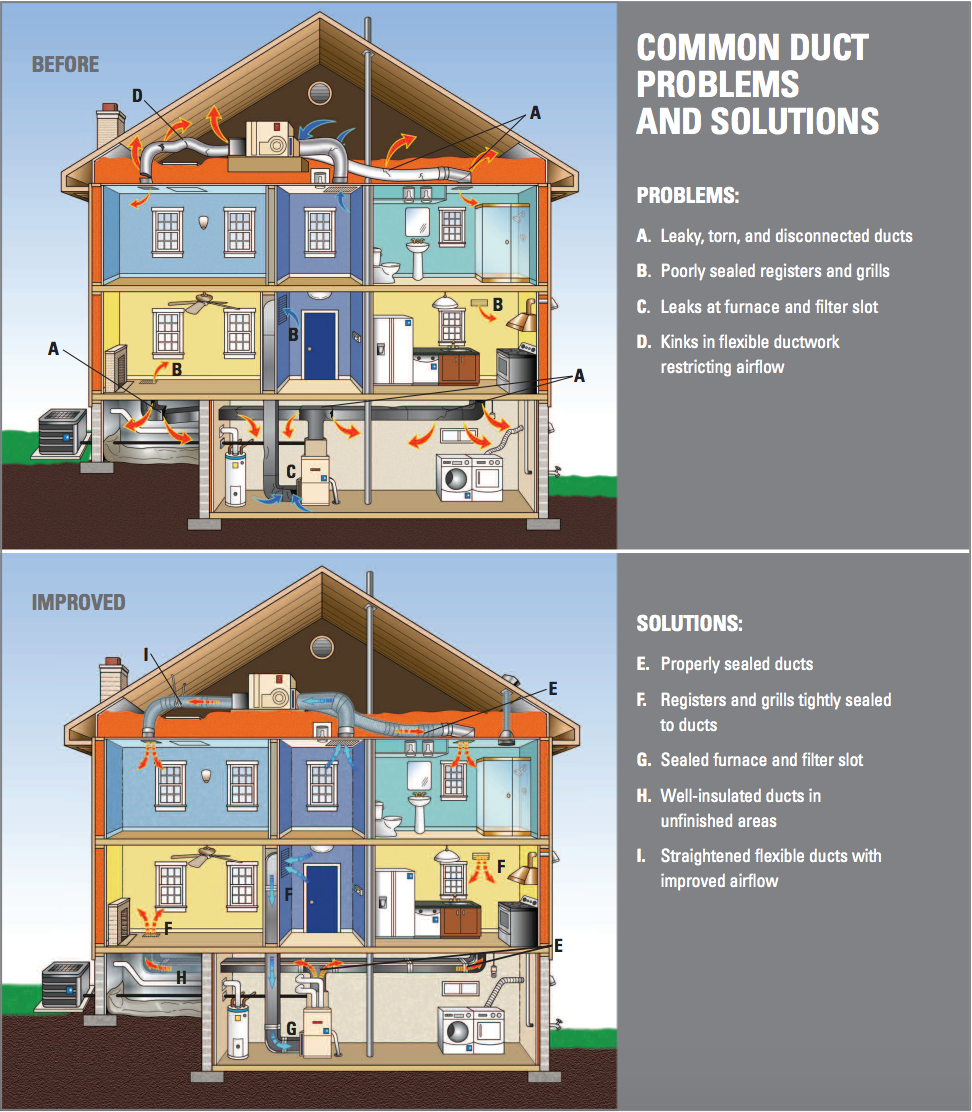
The most likely explanation for the water in your ducts is that warm interior air is entering the ducts during the winter and the moisture in the air is condensing on the interior of the cold ductwork. Not a split system central unit with condenser and blower and ductwork going into the house thru roof. Another thing to check would be to see if theres a leaky connection with the humidifier. If the air vent does not fit snugly into the supply duct it is attached to air may escape around the outsides of the vent as well as through its louvers. Leaks in the supply air duct system are a very common HVAC duct defect that results in poor heating or cooling air flow.
 Source: inspectapedia.com
Push the pole into the air duct and allow the rags or sponges to absorb the water. If the air vent does not fit snugly into the supply duct it is attached to air may escape around the outsides of the vent as well as through its louvers. And that water can then travel to the ducts or vents. Excess humidity in the attic or crawl space can also encourage condensation on the. This is ideal if the water is not pooling and can easily be cleaned by the rags.
 Source: sansone-ac.com
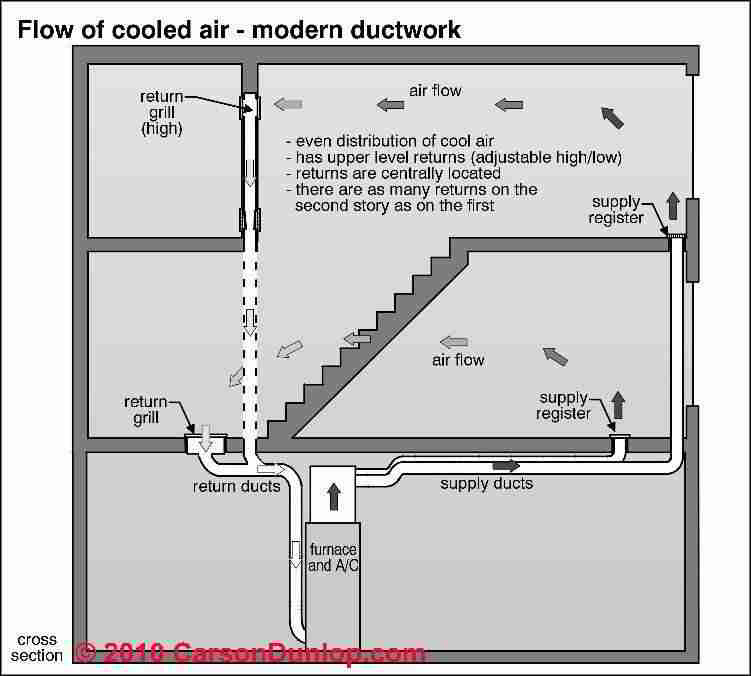
Leaks in the supply air duct system are a very common HVAC duct defect that results in poor heating or cooling air flow. During the heating season unused air-conditioning ducts located in unheated rooms can collect moisture. There are two possible ways to. Another thing to check would be to see if theres a leaky connection with the humidifier. Water from return duct If water is dripping from a return duct there are a number of things that you should consider.
 Source: inspectapedia.com
Next take the cover off the furnace and see if there is water in the bottom of it. Try to find air escaping from anywhere besides the grates. Leaks in the supply air duct system are a very common HVAC duct defect that results in poor heating or cooling air flow. Water that is pulled into the system for too long can remain on the coils and freeze causing condensation which when melted will drip out of your unit. See LEAKY DUCT CONNECTIONS.
 Source: energyvanguard.com
Moisture can also collect in the summer if cool air passes through a duct in a room that isnt air-conditioned. Martin Holladay editor of Green Building Advisor responds. There are a few common reasons for water in air ducts. Try to find air escaping from anywhere besides the grates. If the drip tray is leaking or the condensate drain is clogged with algae dirt.
 Source: nachi.org
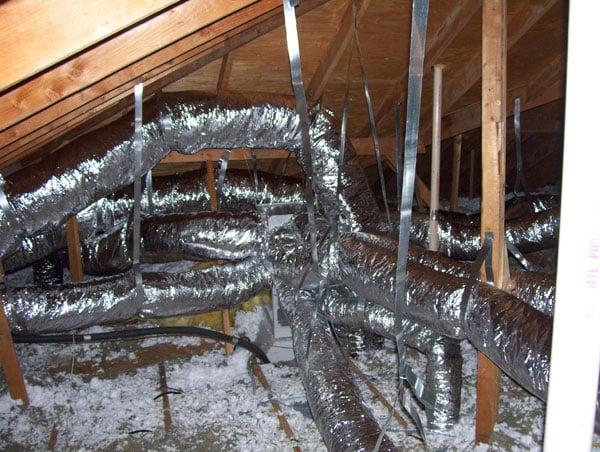
Another thing to check would be to see if theres a leaky connection with the humidifier. On this service call the customer complained that water was leaking out of the air conditioner duct in the attic on to the upstairs ceiling. Another thing to check would be to see if theres a leaky connection with the humidifier. See LEAKY DUCT CONNECTIONS. If there is insufficient insulation moisture can.
 Source: maddair.com
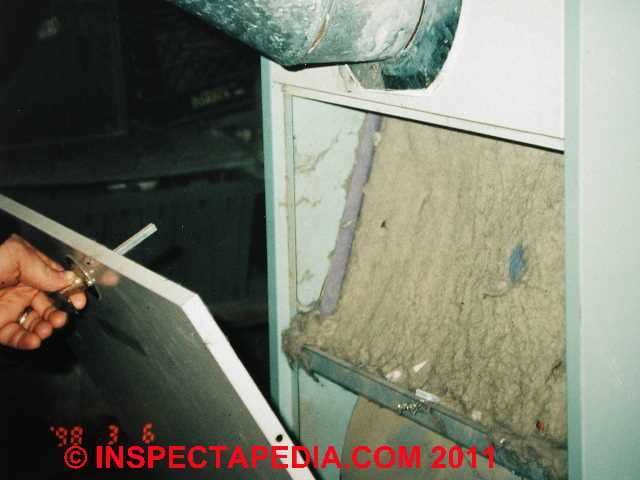
If the air vent does not fit snugly into the supply duct it is attached to air may escape around the outsides of the vent as well as through its louvers. The water on the downstairs furnace room floor now appears to be drying but you can still see the areas where the wetness is. On this service call the customer complained that water was leaking out of the air conditioner duct in the attic on to the upstairs ceiling. Return air inlet grilles that are obstructed with dirt debris or furniture or that are improperly located or are just too small mean that because the heating or cooling system is starved for air the supply air flow into occupied spaces will. Martin Holladay editor of Green Building Advisor responds.
 Source: inspectapedia.com
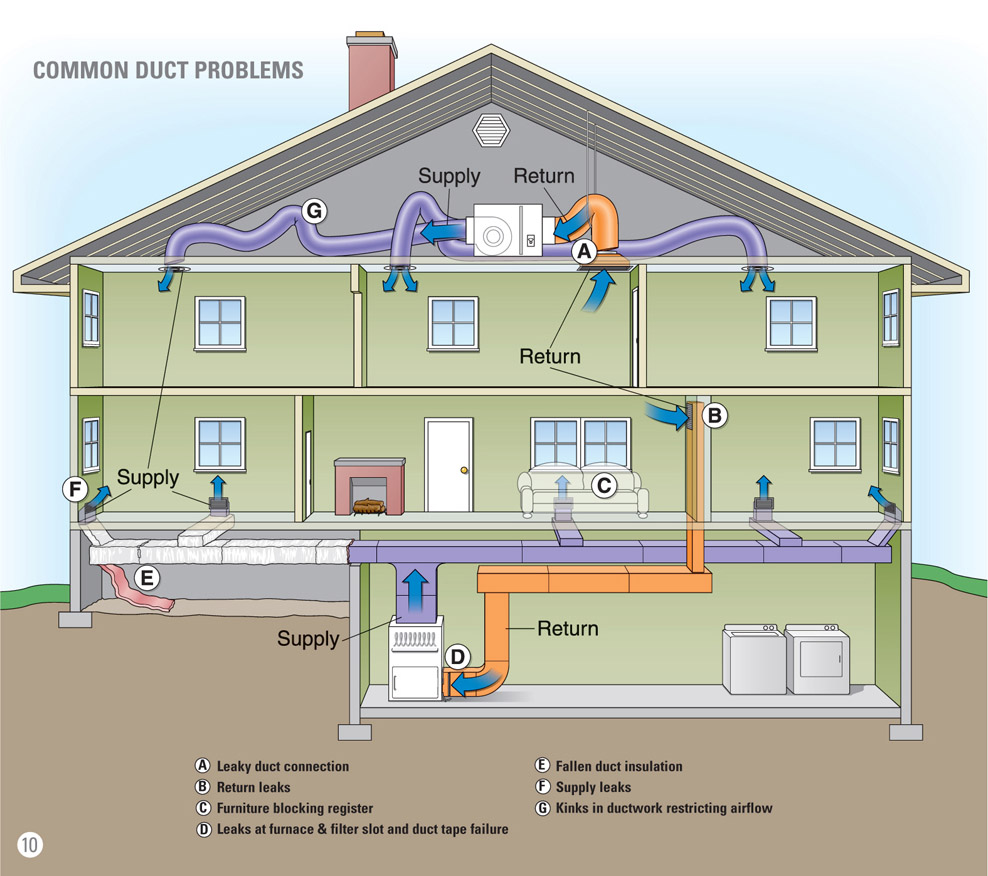
Not a split system central unit with condenser and blower and ductwork going into the house thru roof. For example if the return duct passes through a 100-degree space at 50 relative humidity moisture from the air will begin to condense if it comes in contact with. A tiny amount of dew outside your duct is common when the air outside is hot and your AC is on. If the drip tray is leaking or the condensate drain is clogged with algae dirt. See LEAKY DUCT CONNECTIONS.
 Source: myfloridahomeenergy.com
If you have low air flow and water dripping from your vent this could be from a refrigerant leak. The water on the downstairs furnace room floor now appears to be drying but you can still see the areas where the wetness is. The condensate drain system collects water removed from the air during the cooling process and disposes of it into a drain. If you have low air flow and water dripping from your vent this could be from a refrigerant leak. For example if the return duct passes through a 100-degree space at 50 relative humidity moisture from the air will begin to condense if it comes in contact with.
 Source: servicechampions.net
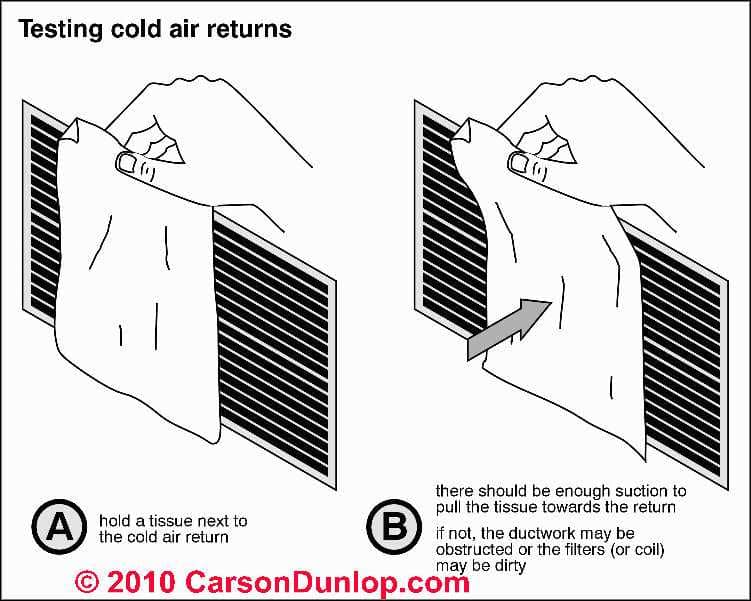
Try to find air escaping from anywhere besides the grates. For example if the return duct passes through a 100-degree space at 50 relative humidity moisture from the air will begin to condense if it comes in contact with. And that water can then travel to the ducts or vents. Occasional water leaks that happen only when there is heavy rain. Push the pole into the air duct and allow the rags or sponges to absorb the water.
 Source: comfortmastersdfw.com
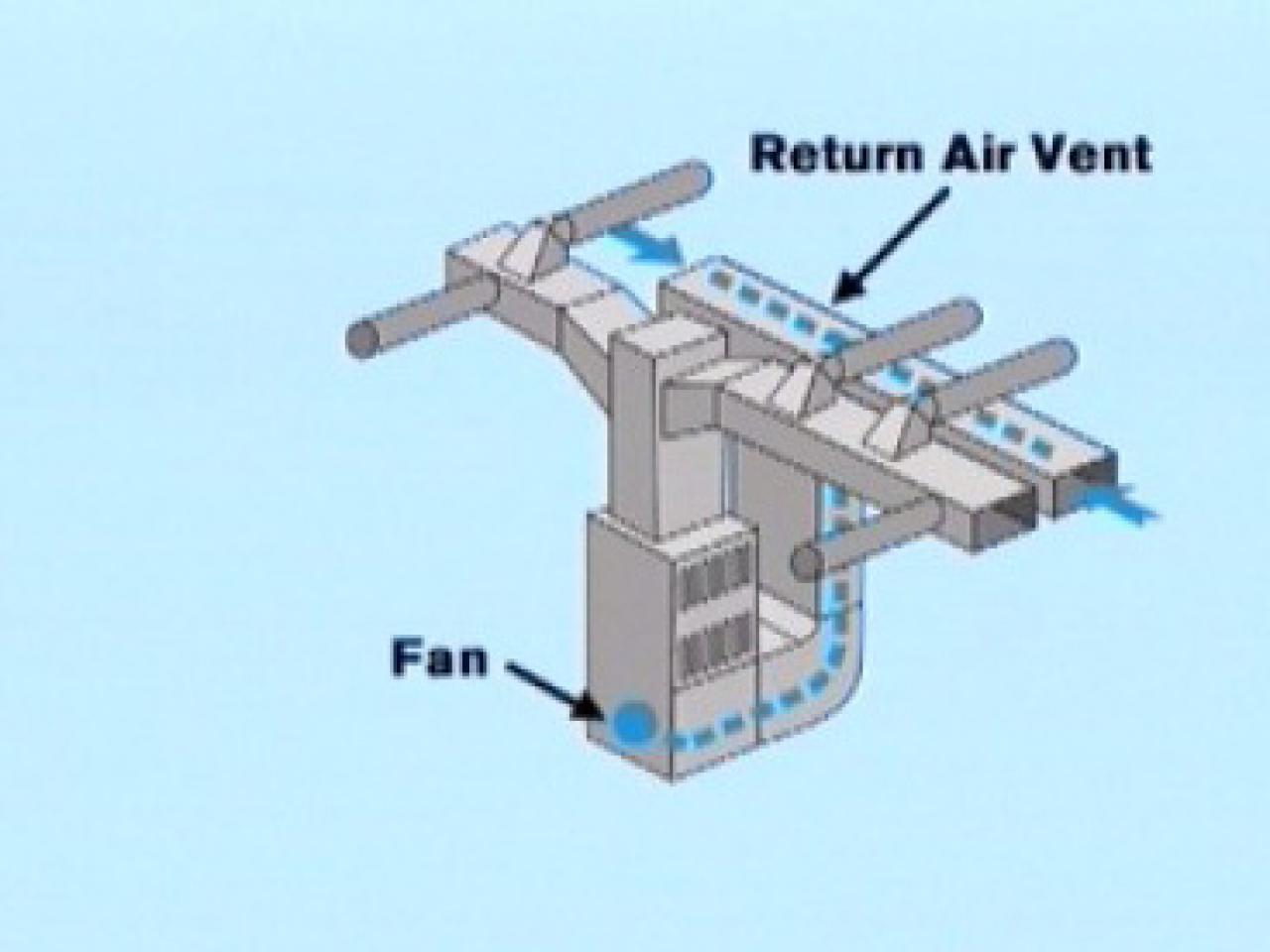
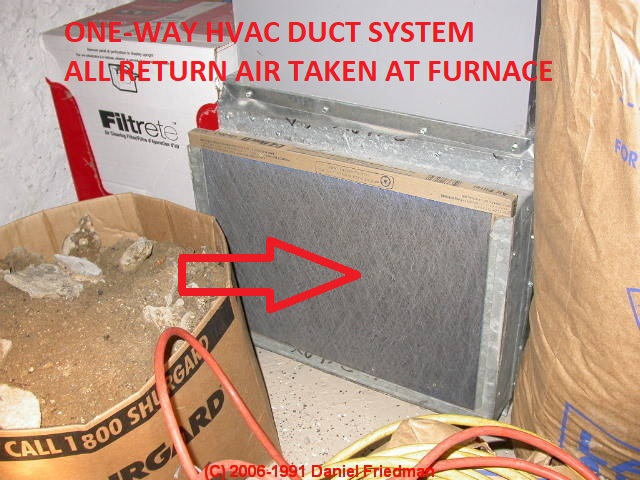
It could easily get the return boot wet since it is mounted above it. Water collecting in Air Conditioner Duct. When this occurs condensation might build and eventually leak down causing dripping water sounds coming from your vents. There is also a dampness linestain area on the bottom of the cold air return. There are two possible ways to.
 Source: diynetwork.com
Next take the cover off the furnace and see if there is water in the bottom of it. Another thing to check would be to see if theres a leaky connection with the humidifier. Leaks in the supply air duct system are a very common HVAC duct defect that results in poor heating or cooling air flow. If air is leaving from anywhere besides the grates youre in luck. Martin Holladay editor of Green Building Advisor responds.
 Source: inspectapedia.com
The most likely explanation for the water in your ducts is that warm interior air is entering the ducts during the winter and the moisture in the air is condensing on the interior of the cold ductwork. If air is leaving from anywhere besides the grates youre in luck. This is ideal if the water is not pooling and can easily be cleaned by the rags. During the heating season unused air-conditioning ducts located in unheated rooms can collect moisture. If the air vent does not fit snugly into the supply duct it is attached to air may escape around the outsides of the vent as well as through its louvers.
 Source: inspectapedia.com
Occasional water leaks that happen only when there is heavy rain. This is ideal if the water is not pooling and can easily be cleaned by the rags. If air is leaving from anywhere besides the grates youre in luck. If the drip tray is leaking or the condensate drain is clogged with algae dirt. There is also a dampness linestain area on the bottom of the cold air return.
 Source: slab2shingles.com
Water that is pulled into the system for too long can remain on the coils and freeze causing condensation which when melted will drip out of your unit. And that water can then travel to the ducts or vents. If the return duct is uninsulated and run through an unconditioned space the return duct may sweat drip. If the drip tray is leaking or the condensate drain is clogged with algae dirt. Excess humidity in the attic or crawl space can also encourage condensation on the.
 Source: happyhiller.com
The condensate drain system collects water removed from the air during the cooling process and disposes of it into a drain. Moisture can also collect in the summer if cool air passes through a duct in a room that isnt air-conditioned. When this occurs condensation might build and eventually leak down causing dripping water sounds coming from your vents. It could easily get the return boot wet since it is mounted above it. The floor wetness kind of ebbs and flows.
 Source: inspectapedia.com
Moisture can be a sign of low duct temperature. Next take the cover off the furnace and see if there is water in the bottom of it. The most likely explanation for the water in your ducts is that warm interior air is entering the ducts during the winter and the moisture in the air is condensing on the interior of the cold ductwork. Try to find air escaping from anywhere besides the grates. There are two possible ways to.
This site is an open community for users to share their favorite wallpapers on the internet, all images or pictures in this website are for personal wallpaper use only, it is stricly prohibited to use this wallpaper for commercial purposes, if you are the author and find this image is shared without your permission, please kindly raise a DMCA report to Us.
If you find this site serviceableness, please support us by sharing this posts to your favorite social media accounts like Facebook, Instagram and so on or you can also save this blog page with the title water dripping from return air duct by using Ctrl + D for devices a laptop with a Windows operating system or Command + D for laptops with an Apple operating system. If you use a smartphone, you can also use the drawer menu of the browser you are using. Whether it’s a Windows, Mac, iOS or Android operating system, you will still be able to bookmark this website.


