Your What does vinegar do to plants images are available. What does vinegar do to plants are a topic that is being searched for and liked by netizens today. You can Get the What does vinegar do to plants files here. Get all free photos.
If you’re looking for what does vinegar do to plants images information connected with to the what does vinegar do to plants interest, you have visit the ideal blog. Our website frequently provides you with hints for seeking the highest quality video and picture content, please kindly search and locate more enlightening video articles and graphics that match your interests.
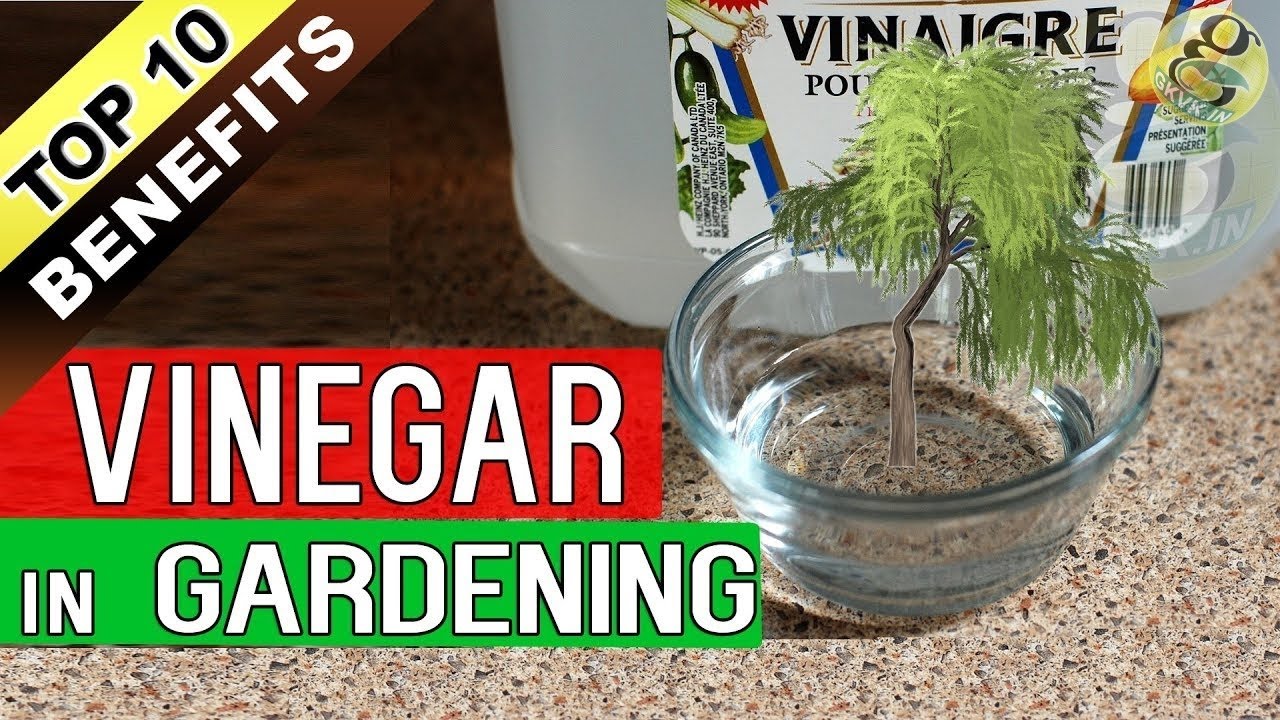
What Does Vinegar Do To Plants. Since household vinegar is only 5 percent acetic acid it is not strong enough to kill sturdy mature weeds. Vinegar is nonselective meaning it can kill more plants than just weeds. Garden Uses for Vinegar Herbicide. To avoid damaging grass and other wanted plants consider painting the vinegar directly onto the weeds with a brush.
 Put Vinegar On Your Plants And This Will Happen Vinegar Life Hacks Every Girl Should Know Cleaning Garden Hacks Diy Indoor Vegetable Gardening Gardening Tips From pinterest.com
In fact white vinegar has often been found to have more of a herbicidal effect. There are some. Vinegar is a useful cleaning tool that you can use both inside and outside your home. Garden Uses for Vinegar Herbicide. Vinegar gets a lot of buzz as a miracle gardening product. How does it work though.
Vinegar is an acid and can cause damage to plants although it probably wont kill flowers.
Manufacturers claim the product kills weeds fertilizes the soil and even combats plant diseases. Vinegar is an acid and can cause damage to plants although it probably wont kill flowers. Vinegar is nonselective meaning it can kill more plants than just weeds. In fact white vinegar has often been found to have more of a herbicidal effect. What does vinegar do for plants. Vinegar is a liquid and diluted form of acetic acid.
 Source: wikihow.com
White vinegar offers one of the easiest ways to kill mold and can protect your plants from various kinds of fungal diseases. This can take many applications and because many weeds grow so quickly if you dont spray vinegar for a day or two. What does vinegar do for plants. Therefore when you add it to your soil it naturally increases the acidity in. Vinegar is a useful cleaning tool that you can use both inside and outside your home.
 Source: pinterest.com
Vinegar is a desiccant leaching water from the plant and causing the top part of the plant to die. White vinegar offers one of the easiest ways to kill mold and can protect your plants from various kinds of fungal diseases. What does vinegar do for plants. Vinegar is a liquid and diluted form of acetic acid. Low pH levels are not suitable for the growth of many plants.
 Source: pinterest.com
Manufacturers claim the product kills weeds fertilizes the soil and even combats plant diseases. If you choose to apply it with a sprayer do not pull the trigger until you are right up close to the targeted weed. A typical use of your household vinegar in the garden is as an all-natural organic weed killer. Vinegar can lower the pH of soil and prevent plants from growing. To avoid damaging grass and other wanted plants consider painting the vinegar directly onto the weeds with a brush.
 Source: pinterest.com
You have to be careful when spraying it around certain plants as it may be harmful to some but when used on those pesky hard-to-kill weeds they will disappear in two to three days time. What does vinegar do for plants. Vinegar is a liquid and diluted form of acetic acid. Brew the tea before adding the vinegar then pour the solution into a bottle and spray the garden. The acetic acid component of vinegar causes burning of a plants cuticle.
 Source: pinterest.com
Vinegar can lower the pH of soil and prevent plants from growing. Weeds in your kitchen garden can be a great competition for your plants as they absorb water and nutrients of your plants and they can stop and use the sunlight of. However positive results that support plant growth are observed after the application of apple cider vinegar. A typical use of your household vinegar in the garden is as an all-natural organic weed killer. Vinegar can lower the pH of soil and prevent plants from growing.
 Source: pinterest.com
There are some. What does vinegar do to plants. Help plants to bloom Some plants such as rhododendrons and azaleas thrive in an acidic soil environment. To avoid damaging grass and other wanted plants consider painting the vinegar directly onto the weeds with a brush. The roots may not die depending on the type of plant and how far along it is in its growth.
 Source: pinterest.com
Use Vinegar to Repel Ants. It can add flavor to your food help with cleaning the house and is useful for gardeners. White vinegar offers one of the easiest ways to kill mold and can protect your plants from various kinds of fungal diseases. Brew the tea before adding the vinegar then pour the solution into a bottle and spray the garden. In your garden you can strategically use this substance to protect your plants from a variety of creatures like dogs cats rabbits slugs and ants.
 Source: pinterest.com
Vinegar is an acid and can cause damage to plants although it probably wont kill flowers. Vinegar is a liquid and diluted form of acetic acid. However positive results that support plant growth are observed after the application of apple cider vinegar. Since household vinegar is only 5 percent acetic acid it is not strong enough to kill sturdy mature weeds. One of the most common uses for household vinegar is as an all-natural weed killer.
 Source: br.pinterest.com
Increase the acidity of soil by adding white distilled vinegar to your watering can. Brew the tea before adding the vinegar then pour the solution into a bottle and spray the garden. White vinegar offers one of the easiest ways to kill mold and can protect your plants from various kinds of fungal diseases. A typical use of your household vinegar in the garden is as an all-natural organic weed killer. One of the most common uses for household vinegar is as an all-natural weed killer.
 Source: youtube.com
Adult gnats are especially attracted to vinegar so vinegar is a safe and inexpensive way to stop a fungus gnat attack on house plants. Vinegar is a liquid and diluted form of acetic acid. You can make your own fungicide tea by combining two teaspoons of vinegar with one cup of chamomile tea. Vinegar can lower the pH of soil and prevent plants from growing. Manufacturers claim the product kills weeds fertilizes the soil and even combats plant diseases.
 Source: pinterest.com
There are some. What does vinegar do for plants. Brew the tea before adding the vinegar then pour the solution into a bottle and spray the garden. Since household vinegar is only 5 percent acetic acid it is not strong enough to kill sturdy mature weeds. Due to its 5 percent acidic content you can use it to fertilize your acid-loving plants like rhododendrons azaleas blueberry and gardenias.
 Source: pinterest.com
The acetic acid component of vinegar causes burning of a plants cuticle. Low pH levels are not suitable for the growth of many plants. One of the most common uses for household vinegar is as an all-natural weed killer. The roots may not die depending on the type of plant and how far along it is in its growth. Vinegar is a liquid and diluted form of acetic acid.
 Source: pinterest.com
Vinegar can lower the pH of soil and prevent plants from growing. Weeds in your kitchen garden can be a great competition for your plants as they absorb water and nutrients of your plants and they can stop and use the sunlight of. If you suffer from invading ants during the summer months you can use vinegar as an ant. This can take many applications and because many weeds grow so quickly if you dont spray vinegar for a day or two. What does vinegar do for plants.
 Source: pinterest.com
Due to its 5 percent acidic content you can use it to fertilize your acid-loving plants like rhododendrons azaleas blueberry and gardenias. Not all plants are vulnerable to vinegar and may require several applications. It can add flavor to your food help with cleaning the house and is useful for gardeners. Low pH levels are not suitable for the growth of many plants. The acetic acid component of vinegar causes burning of a plants cuticle.
 Source: ar.pinterest.com
Add one cup of vinegar to around four litres of water and add it to the soil of these plants. Because vinegar does not kill plant roots the weed will use the stored energy in the root system to grow new leaves. Since household vinegar is only 5 percent acetic acid it is not strong enough to kill sturdy mature weeds. Vinegar is nonselective meaning it can kill more plants than just weeds. Weeds in your kitchen garden can be a great competition for your plants as they absorb water and nutrients of your plants and they can stop and use the sunlight of.
 Source: pinterest.com
What does vinegar do for plants. The roots may not die depending on the type of plant and how far along it is in its growth. To avoid damaging grass and other wanted plants consider painting the vinegar directly onto the weeds with a brush. It can add flavor to your food help with cleaning the house and is useful for gardeners. Because vinegar does not kill plant roots the weed will use the stored energy in the root system to grow new leaves.
 Source: pinterest.com
Brew the tea before adding the vinegar then pour the solution into a bottle and spray the garden. Adult gnats are especially attracted to vinegar so vinegar is a safe and inexpensive way to stop a fungus gnat attack on house plants. Weeds in your kitchen garden can be a great competition for your plants as they absorb water and nutrients of your plants and they can stop and use the sunlight of. Since household vinegar is only 5 percent acetic acid it is not strong enough to kill sturdy mature weeds. Not all types of vinegar available act as a fertilizer.
Source: pinterest.com
The larva lives in plant soil and hatches to suck on your plants. White vinegar offers one of the easiest ways to kill mold and can protect your plants from various kinds of fungal diseases. Not all plants are vulnerable to vinegar and may require several applications. Since household vinegar is only 5 percent acetic acid it is not strong enough to kill sturdy mature weeds. The larva lives in plant soil and hatches to suck on your plants.
This site is an open community for users to share their favorite wallpapers on the internet, all images or pictures in this website are for personal wallpaper use only, it is stricly prohibited to use this wallpaper for commercial purposes, if you are the author and find this image is shared without your permission, please kindly raise a DMCA report to Us.
If you find this site value, please support us by sharing this posts to your favorite social media accounts like Facebook, Instagram and so on or you can also save this blog page with the title what does vinegar do to plants by using Ctrl + D for devices a laptop with a Windows operating system or Command + D for laptops with an Apple operating system. If you use a smartphone, you can also use the drawer menu of the browser you are using. Whether it’s a Windows, Mac, iOS or Android operating system, you will still be able to bookmark this website.


