Your What happens if you seal concrete too soon images are ready in this website. What happens if you seal concrete too soon are a topic that is being searched for and liked by netizens now. You can Download the What happens if you seal concrete too soon files here. Download all free photos.
If you’re looking for what happens if you seal concrete too soon pictures information connected with to the what happens if you seal concrete too soon keyword, you have pay a visit to the ideal blog. Our site frequently provides you with hints for refferencing the maximum quality video and picture content, please kindly surf and find more enlightening video content and images that fit your interests.
What Happens If You Seal Concrete Too Soon. However if you apply the sealer after the curing process has been completed then your concrete will be perfectly strong and protected. What happens if I dont seal my concrete. Otherwise water evaporating too quickly from the surfacewhich can happen easily outdoors and in direct sunwill weaken the finished product with stresses and cracking. If water vapor gets trapped under the sealer this will turn the sealer white.
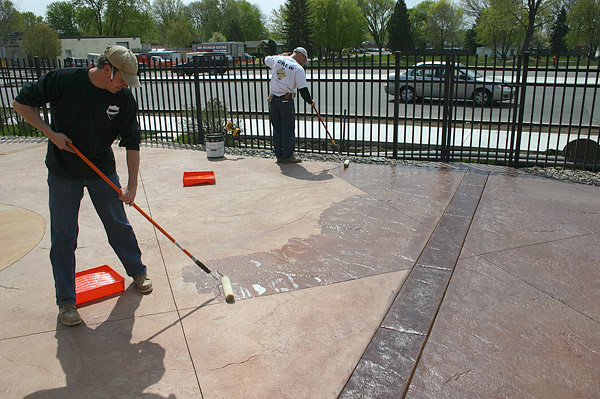 Drying Sealers Vs Curing Sealers Concrete Decor From concretedecor.net
You can do multiple coats of stain. Then later the same day or the next day you can use an acrylic cure seal to seal the concrete. Early Concrete Cutting If the saw cuts are made too soon the joint edges may ravel. If you seal concrete before the recommended time has elapsed you will likely destroy the potential of the concrete. Oil salt fertilizer and other household chemicals can discolor and damage unsealed. There are many intricate steps involved in pouring a concrete slab but one that is often overlooked by inexperienced installers is the concrete finishing stage.
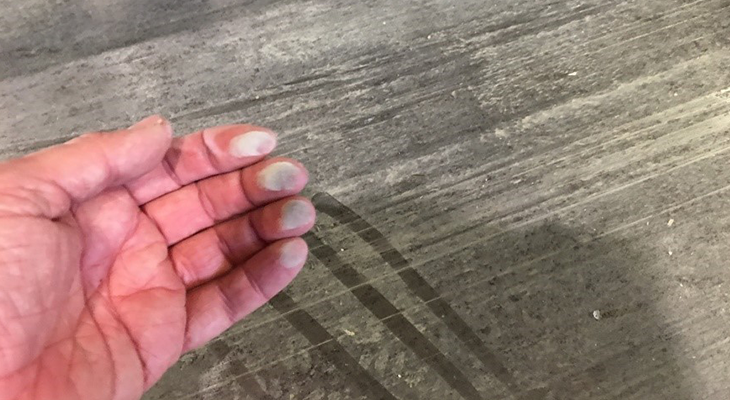
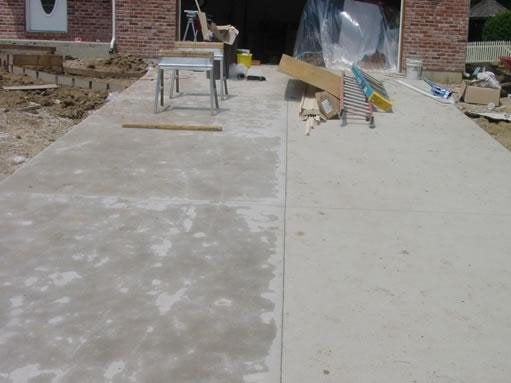
While the concrete is still damp from washing the residue this is what it will look like if sealed.
Since temperature is a catalyst the colder the temperature the slower the sealer cures. As a result the newly poured concrete driveway would not be as strong as it should be. Then later the same day or the next day you can use an acrylic cure seal to seal the concrete. You will see blister formation on freshly laid concrete if it is prematurely dried and finished. Concrete is a porous material that readily absorbs liquids. Staining can yield breath-taking results.
 Source: specchemllc.com
Special concrete rakes can be used to lightly manipulate the concrete to reduce air pockets. Lets look at each sealer so that you can know how long it should last and what do to check if it needs reapplied. If you were to seal the concrete any sooner it would create a barrier and prevent the excess moisture from evaporating correctly. Staining can yield breath-taking results. In freeze-thaw climates the expansion of frozen liquids can destroy the surface of unsealed concrete.
Source: concretedecor.net
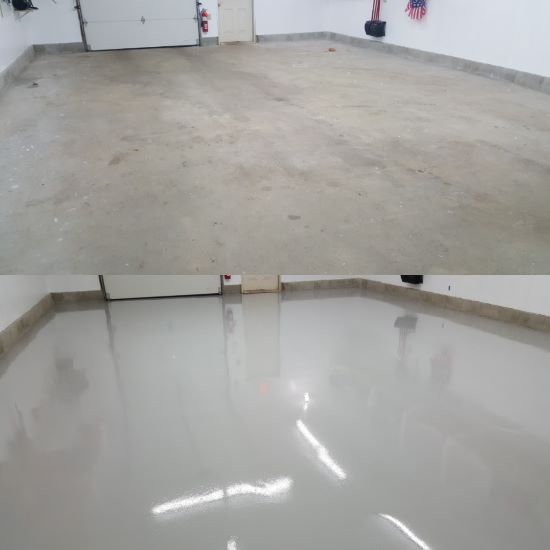
If you apply a concrete sealer to a concrete slab that has not fully cured then you risk ruining and harming the concretes potential future strength. So if you didnt put stain into the concrete when it was poured theres still time. When a stain isnt properly neutralized the sealer will lose its chemical bond. Oil salt fertilizer and other household chemicals can discolor and damage unsealed. If you wait too long to apply sealer the concrete will have to be cleaned and degreased.
 Source: razorbackconcrete.com
It can leave a white powdery substance on the concretes surface after staining but before sealing. Special concrete rakes can be used to lightly manipulate the concrete to reduce air pockets. If you wait too long to apply sealer the concrete will have to be cleaned and degreased. It can leave a white powdery substance on the concretes surface after staining but before sealing. If you apply a concrete sealer to a concrete slab that has not fully cured then you risk ruining and harming the concretes potential future strength.
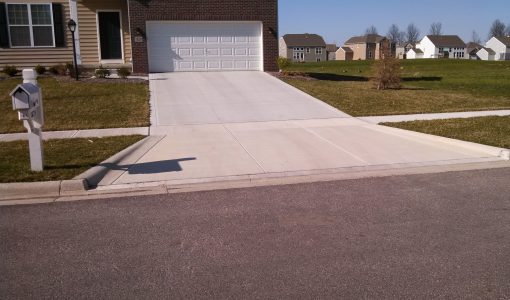 Source: vseal.com
Concrete is a porous material that readily absorbs liquids. Combined with sandblast etching sawing and other creative touches. A test area can be set aside or a scratch test conducted first. When a stain isnt properly neutralized the sealer will lose its chemical bond. The culprit is usually parked cars that are steadily leaking oil.
 Source: kuhlman-corp.com
If you seal concrete before the recommended time has elapsed you will likely destroy the potential of the concrete. This kind of sealer will let the concrete breathe. As a result the newly poured concrete driveway would not be as strong as it should be. There are many intricate steps involved in pouring a concrete slab but one that is often overlooked by inexperienced installers is the concrete finishing stage. If the scratch affects the surface texture its too early to cut.
 Source: everything-about-concrete.com
If the scratch affects the surface texture its too early to cut. The trapped moisture in the concrete will want to escape and since sealant prevents anything from getting in and out the concrete will likely crack. Efflorescence can cause other stain or sealer failures which are noted below. A test area can be set aside or a scratch test conducted first. The concrete stain was not neutralized in advance.
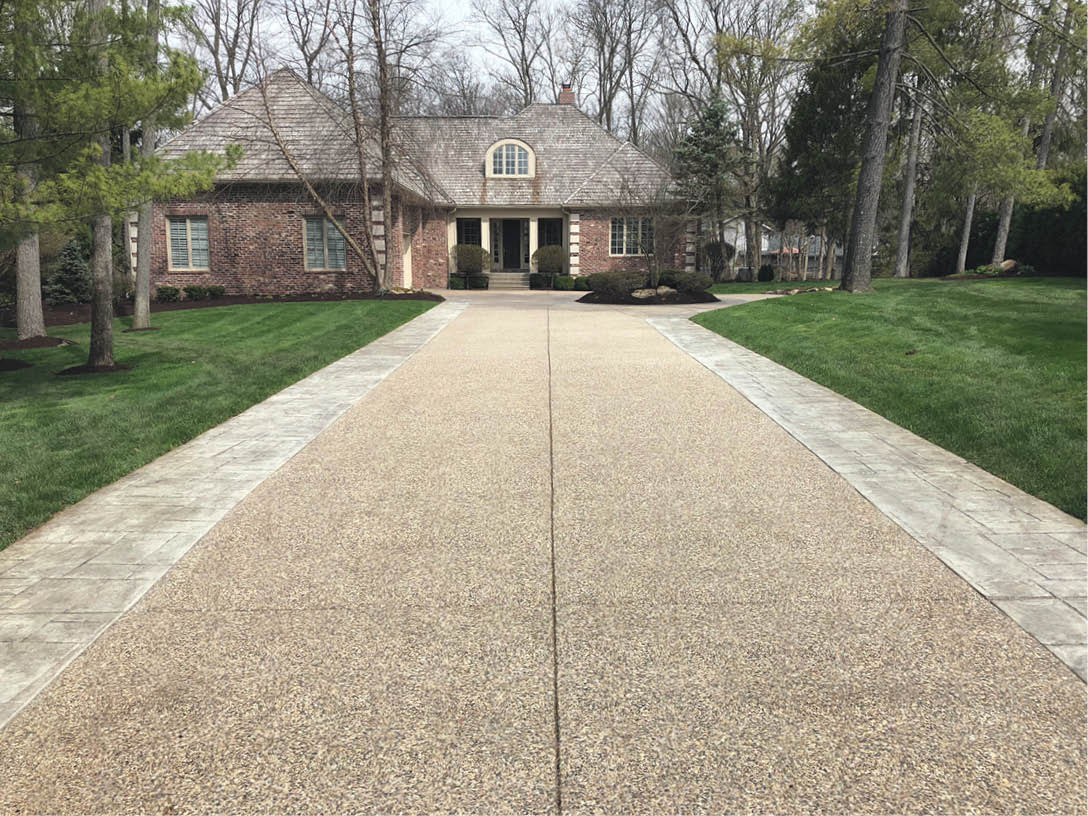 Source: concretedecor.net
Concrete that is pushed around excessively can become overworked and prone to cracking. A test area can be set aside or a scratch test conducted first. Because people often position their vehicles in roughly the same spot a small stain can. So if you didnt put stain into the concrete when it was poured theres still time. If you were to seal the concrete any sooner it would create a barrier and prevent the excess moisture from evaporating correctly.
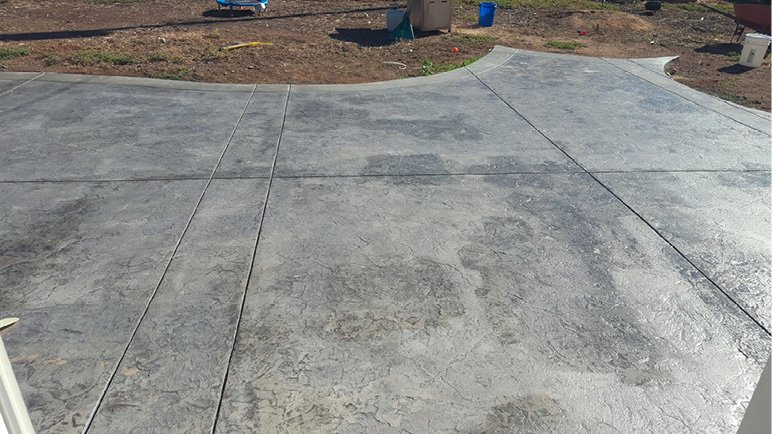 Source: concretedecor.net
It may start breaking from within so the effects may not be immediate. In freeze-thaw climates the expansion of frozen liquids can destroy the surface of unsealed concrete. When a stain isnt properly neutralized the sealer will lose its chemical bond. Oil salt fertilizer and other household chemicals can discolor and damage unsealed. Early Concrete Cutting If the saw cuts are made too soon the joint edges may ravel.
 Source: blog.ecoratio.com
So if you didnt put stain into the concrete when it was poured theres still time. It can leave a white powdery substance on the concretes surface after staining but before sealing. The trapped moisture in the concrete will want to escape and since sealant prevents anything from getting in and out the concrete will likely crack. However if you apply the sealer after the curing process has been completed then your concrete will be perfectly strong and protected. Hastening the entire process leads to more moisture build-up also sealing in a lot of air.
 Source: concretenetwork.com
If you do not seal your concrete harsh chemicals and liquid can penetrate the concrete leaving it discolored or destroy the surface. Otherwise water evaporating too quickly from the surfacewhich can happen easily outdoors and in direct sunwill weaken the finished product with stresses and cracking. This kind of sealer will let the concrete breathe. In addition the concrete would be more prone to breaking and cracking. Air entrainment and massive finishing machine can lead to concrete.
 Source: portaggregates.com
A test area can be set aside or a scratch test conducted first. Then later the same day or the next day you can use an acrylic cure seal to seal the concrete. Otherwise water evaporating too quickly from the surfacewhich can happen easily outdoors and in direct sunwill weaken the finished product with stresses and cracking. Combined with sandblast etching sawing and other creative touches. Efflorescence can cause other stain or sealer failures which are noted below.
 Source: patiocomfy.com
There are many intricate steps involved in pouring a concrete slab but one that is often overlooked by inexperienced installers is the concrete finishing stage. There are many intricate steps involved in pouring a concrete slab but one that is often overlooked by inexperienced installers is the concrete finishing stage. It may start breaking from within so the effects may not be immediate. Early Concrete Cutting If the saw cuts are made too soon the joint edges may ravel. So if you didnt put stain into the concrete when it was poured theres still time.
 Source: everything-about-concrete.com
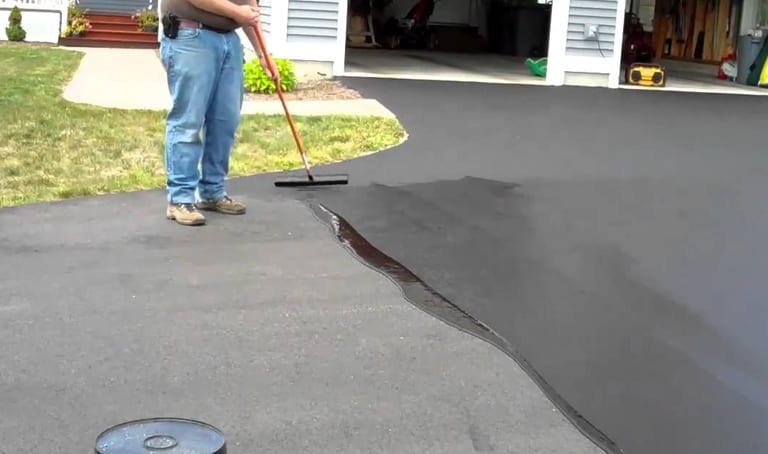
Because people often position their vehicles in roughly the same spot a small stain can. The concrete was not dry enough when the sealer was applied. Another factor to consider when sealing concrete in temperatures at or close to 50 degrees F is the type of solvent the sealer is based on. This kind of sealer will let the concrete breathe. If you were to seal the concrete any sooner it would create a barrier and prevent the excess moisture from evaporating correctly.
 Source: greenwayindustries.net
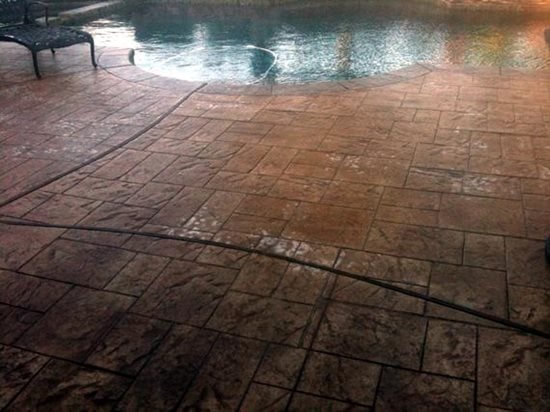
It may start breaking from within so the effects may not be immediate. You can only darken though. Once the concrete reaches the top of the form a screed board is run along the top of the concrete to level it out. When the weather gets colder switching to a sealer that uses a faster solvent might help avoid problems. Oil salt fertilizer and other household chemicals can discolor and damage unsealed.
 Source: concretenetwork.com
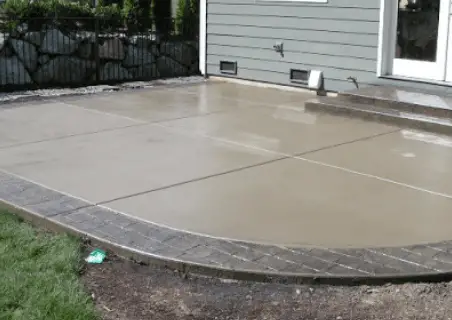
Blister On The Concrete Or Delamination. There are many intricate steps involved in pouring a concrete slab but one that is often overlooked by inexperienced installers is the concrete finishing stage. Concrete is a porous material that readily absorbs liquids. Lets look at each sealer so that you can know how long it should last and what do to check if it needs reapplied. Combined with sandblast etching sawing and other creative touches.
 Source: patiocomfy.com
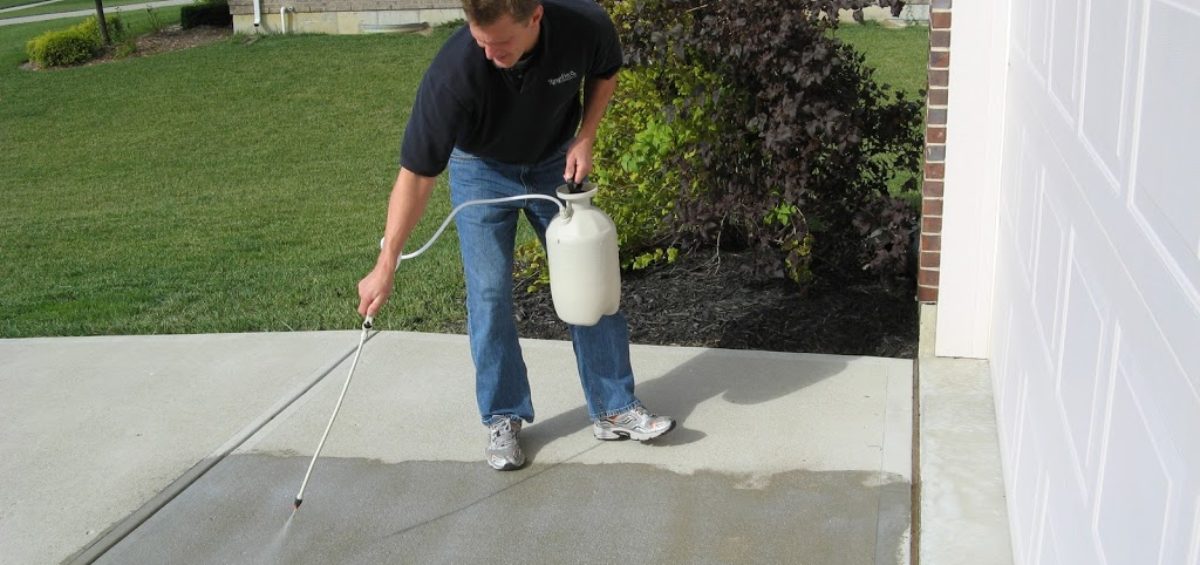
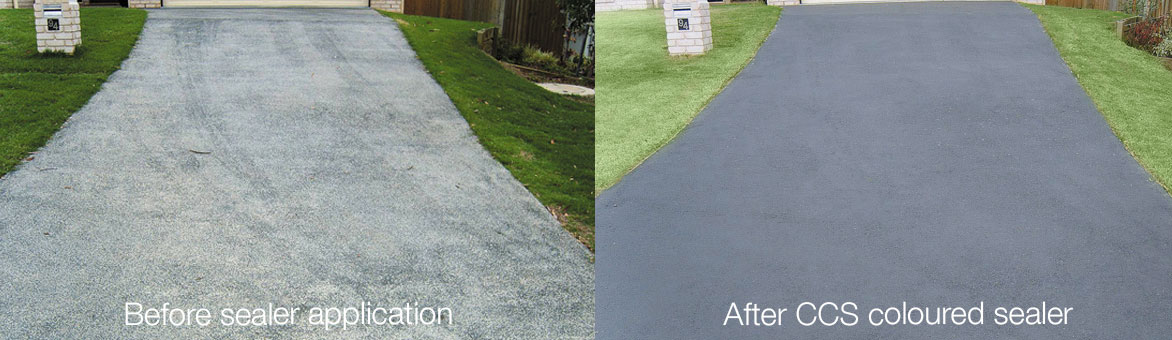
Never apply concrete sealer if there is a chance of rain or in the heat of the day above 80 degrees. If the scratch affects the surface texture its too early to cut. In addition the concrete would be more prone to breaking and cracking. It is important to wait and not to seal new concrete too soon. Trapping moisture in the surface will likely lead to a premature failure of the sealer.
 Source: concretecoloursystems.com.au
Some of the effects include. When a stain isnt properly neutralized the sealer will lose its chemical bond. Air entrainment and massive finishing machine can lead to concrete. It is also for this reason that you cannot typically apply a concrete sealer before the thirty day curing period. As a result the newly poured concrete driveway would not be as strong as it should be.
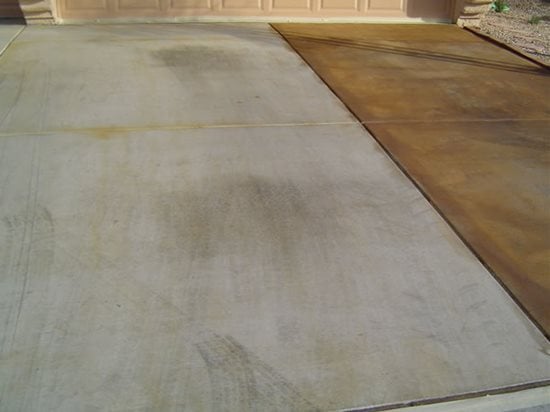 Source: concretenetwork.com
Otherwise water evaporating too quickly from the surfacewhich can happen easily outdoors and in direct sunwill weaken the finished product with stresses and cracking. The culprit is usually parked cars that are steadily leaking oil. The concrete stain was not neutralized in advance. Water and moisture will also turn the sealer white especially if it is applied too thick. However if you apply the sealer after the curing process has been completed then your concrete will be perfectly strong and protected.
This site is an open community for users to do sharing their favorite wallpapers on the internet, all images or pictures in this website are for personal wallpaper use only, it is stricly prohibited to use this wallpaper for commercial purposes, if you are the author and find this image is shared without your permission, please kindly raise a DMCA report to Us.
If you find this site value, please support us by sharing this posts to your preference social media accounts like Facebook, Instagram and so on or you can also bookmark this blog page with the title what happens if you seal concrete too soon by using Ctrl + D for devices a laptop with a Windows operating system or Command + D for laptops with an Apple operating system. If you use a smartphone, you can also use the drawer menu of the browser you are using. Whether it’s a Windows, Mac, iOS or Android operating system, you will still be able to bookmark this website.


