Your What kind of sand do you use for pavers images are ready. What kind of sand do you use for pavers are a topic that is being searched for and liked by netizens today. You can Get the What kind of sand do you use for pavers files here. Find and Download all free photos.
If you’re looking for what kind of sand do you use for pavers images information connected with to the what kind of sand do you use for pavers topic, you have come to the ideal site. Our site frequently gives you suggestions for seeking the maximum quality video and image content, please kindly surf and find more enlightening video articles and graphics that fit your interests.
What Kind Of Sand Do You Use For Pavers. The best kind of sand for this purpose is concrete sand. Hint - no play sand - YouTube. How much sand for pavers do you need to buy. This concrete sand is usually a mixture of brown tan and beige colors.
 How To Add Polymeric Sand To Quikrete Walkmaker Pavers Diy Concrete Patio Polymeric Sand Diy Patio From pinterest.com
What kind of sand do you use between pavers. Usually contractors use concrete sand because of its granular texture but mason sand works just fine too. When exposed to heavy rains granular sand will wash away over time. Although any type of sand will work to set your pavers masons sand will provide the quickest and strongest interlock. How much sand for pavers do you need to buy. Although more expensive the product has excellent properties.
Polymeric sand is such a great tool and vital resource when it comes to installing new pavers due to its ability to harden and create strong joints.
Neither of these types of sand however is the best fit for filling in paver joints. A loose-fill sand will wash away over time or when it is exposed to heavy rains. The benefits of using this kind of sand in your installation is that it is less likely to wash away during heavy rain meaning that you have to add more to the pavers. This type of joint will work well for any type of pavers including concrete stone and brick. Although any type of sand will work to set your pavers masons sand will provide the quickest and strongest interlock. Polymeric sand often comes into play at the end of a landscape paving project including projects involving concrete pavers brick pavers and stone pavers.
 Source: pinterest.com
In recent years a newer type of sand for. Additionally a coarser sand will naturally adhere better to your pavers holding them in place. Once the pavers have been carefully arranged about 1 12 layer of polymeric sand is added in between each stone and activated with water to further solidify and stabilize your paver system. Polymeric sand often comes into play at the end of a landscape paving project including projects involving concrete pavers brick pavers and stone pavers. This type of joint will work well for any type of pavers including concrete stone and brick.
 Source: pinterest.com
Our Crew Compacting Sand Before Laying Pavers Find Out How Much Sand For Pavers You Need. Polymeric sand often comes into play at the end of a landscape paving project including projects involving concrete pavers brick pavers and stone pavers. The sand helps to secure the pavers into a uniform and durable surface. On a cold day the sand will be. There is only type of sand recommended by experts when it comes to installing pavers.
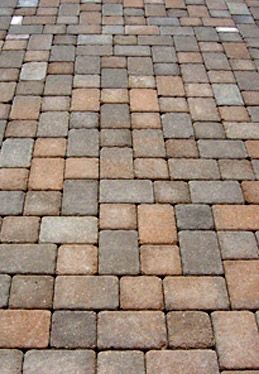 Source: pinterest.com
Sharp sand used for concreting and masonry work Builders Sand aka River Sand Screeding Sand Plasterers Sand Masons Sand or Bricklayers Sand Unlike the sharp sand above builders sand is much finer due to the fact that the grains are much smaller. What kind of sand do you use between pavers. This is because as in the case of bedding sand you need the filler sand to bind together and create a smooth surface that will not slip slide or otherwise move around. Polymeric sand is made of polymers that get activated once it comes in contact with water. The polymeric sand will also help you to keep the pavement in.
Source: pinterest.com
When it comes to versatility of use sandstone and limestone are both great choices their strength durability and range of finishes and colours mean they can adapt to almost any style of garden. Here is a DIY guide that provides a great alternative to polyme. It is designed to improve the fitting of the pavers so that they do not fall out of place. It is the most commonly used sand for pavers because of its high quality and durability. This video explains what can happen if you use polymeric sand on remodel type paver projects.
 Source: pinterest.com
The Type of Sand for Pavers. Luckily this is easy to answer. This is because as in the case of bedding sand you need the filler sand to bind together and create a smooth surface that will not slip slide or otherwise move around. The Type of Sand for Pavers. When youre creating a paver walk or patio the sand you use is a type of builders sand with a coarse texture known as patio paver sand.
 Source: pinterest.com
The benefits of using this kind of sand in your installation is that it is less likely to wash away during heavy rain meaning that you have to add more to the pavers. While these sand types are perfect for cushioning pavers they dont work well as joint fillers. Its also known as leveling all-purpose or C-33. Usually polymeric sand contains 85 90 quartz and crystalline silica which is what gives the product its notably binding power. Although any type of sand will work to set your pavers masons sand will provide the quickest and strongest interlock.
 Source: pinterest.com
Although more expensive the product has excellent properties. Polymeric sand is made of polymers that get activated once it comes in contact with water. This is the most common type of paver sand used by the general public. It is the most commonly used sand for pavers because of its high quality and durability. Here is a DIY guide that provides a great alternative to polyme.
 Source: pinterest.com
The sand helps to secure the pavers into a uniform and durable surface. Additionally a coarser sand will naturally adhere better to your pavers holding them in place. There is an option to use what is called polymeric sand which is sand that has been treated with a water-activated coating that causes it to harden. How much sand for pavers do you need to buy. The benefits of using this kind of sand in your installation is that it is less likely to wash away during heavy rain meaning that you have to add more to the pavers.
 Source: pinterest.com
This combination makes up for a strong leveled and flexible foundation able to accommodate heavy loads without being disturbed. What Is The Best Sand To Put Between Pavers Another option is polymeric sand. This combination makes up for a strong leveled and flexible foundation able to accommodate heavy loads without being disturbed. There is only type of sand recommended by experts when it comes to installing pavers. The best kind of sand for this purpose is concrete sand.
 Source: pinterest.com
Usually polymeric sand contains 85 90 quartz and crystalline silica which is what gives the product its notably binding power. Its also known as leveling all-purpose or C-33. What Is The Best Sand To Put Between Pavers Another option is polymeric sand. Neither of these types of sand however is the best fit for filling in paver joints. Other sands may be used.
 Source: pinterest.com
The right type of sand for filling in the joints between individual stone pavers will feature multiple grain sizes as well as sharp edges. Sandstone makes fantastic patio and garden path paving for. The best kind of sand for this purpose is concrete sand. Although any type of sand will work to set your pavers masons sand will provide the quickest and strongest interlock. Measuring sand and cement can easily be achieved using buckets but water quantities can be harder to master variables such as weather and water content within the sand can make knowing how much water to add to your mix a bit of a challenge.
 Source: pinterest.com
Its also known as leveling all-purpose or C-33. A loose-fill sand will wash away over time or when it is exposed to heavy rains. On a cold day the sand will be. This type of joint will work well for any type of pavers including concrete stone and brick. Once the pavers have been carefully arranged about 1 12 layer of polymeric sand is added in between each stone and activated with water to further solidify and stabilize your paver system.
 Source: pinterest.com
Additionally a coarser sand will naturally adhere better to your pavers holding them in place. When exposed to heavy rains granular sand will wash away over time. Usually the pieces of this type of sand range in size from 05 mm 20 mm. The polymeric sand will also help you to keep the pavement in. This is the most common type of paver sand used by the general public.
 Source: pinterest.com
On a cold day the sand will be. There is an option to use what is called polymeric sand which is sand that has been treated with a water-activated coating that causes it to harden. What kind of sand do you use between pavers. The Type of Sand for Pavers. Its also known as leveling all-purpose or C-33.
 Source: pinterest.com
Other sands may be used. Other sands may be used. This combination makes up for a strong leveled and flexible foundation able to accommodate heavy loads without being disturbed. Polymeric sand is made of polymers that get activated once it comes in contact with water. Its also known as leveling all-purpose or C-33.
 Source: pinterest.com
Usually polymeric sand contains 85 90 quartz and crystalline silica which is what gives the product its notably binding power. Here is a DIY guide that provides a great alternative to polyme. This is the most common type of paver sand used by the general public. It makes such a strong bond that heavy rainfall or heavy water. Cement is often combined with concrete sand and this mixture is then used to construct septic systems.
 Source: pinterest.com
Here is a DIY guide that provides a great alternative to polyme. Although any type of sand will work to set your pavers masons sand will provide the quickest and strongest interlock. On a cold day the sand will be. This type of joint will work well for any type of pavers including concrete stone and brick. Cement is often combined with concrete sand and this mixture is then used to construct septic systems.
 Source: pinterest.com
Its also known as leveling all-purpose or C-33. Once the pavers have been carefully arranged about 1 12 layer of polymeric sand is added in between each stone and activated with water to further solidify and stabilize your paver system. What kind of sand do you use between pavers. Sandstone makes fantastic patio and garden path paving for. Hint - no play sand - YouTube.
This site is an open community for users to share their favorite wallpapers on the internet, all images or pictures in this website are for personal wallpaper use only, it is stricly prohibited to use this wallpaper for commercial purposes, if you are the author and find this image is shared without your permission, please kindly raise a DMCA report to Us.
If you find this site adventageous, please support us by sharing this posts to your favorite social media accounts like Facebook, Instagram and so on or you can also save this blog page with the title what kind of sand do you use for pavers by using Ctrl + D for devices a laptop with a Windows operating system or Command + D for laptops with an Apple operating system. If you use a smartphone, you can also use the drawer menu of the browser you are using. Whether it’s a Windows, Mac, iOS or Android operating system, you will still be able to bookmark this website.


