Your What planet is visible in the western sky images are ready. What planet is visible in the western sky are a topic that is being searched for and liked by netizens today. You can Get the What planet is visible in the western sky files here. Download all royalty-free photos.
If you’re searching for what planet is visible in the western sky pictures information linked to the what planet is visible in the western sky interest, you have visit the ideal site. Our site always gives you suggestions for refferencing the maximum quality video and picture content, please kindly hunt and find more informative video content and images that fit your interests.
What Planet Is Visible In The Western Sky. Visible around sunset only. Its hard to miss from the northern hemisphere at the moment where its visible right after sunset hanging in. But most of us do our star gazing in the evening sky and since new moon is Saturday this. It is visible in the morning in the eastern sky at dawn from Jan.
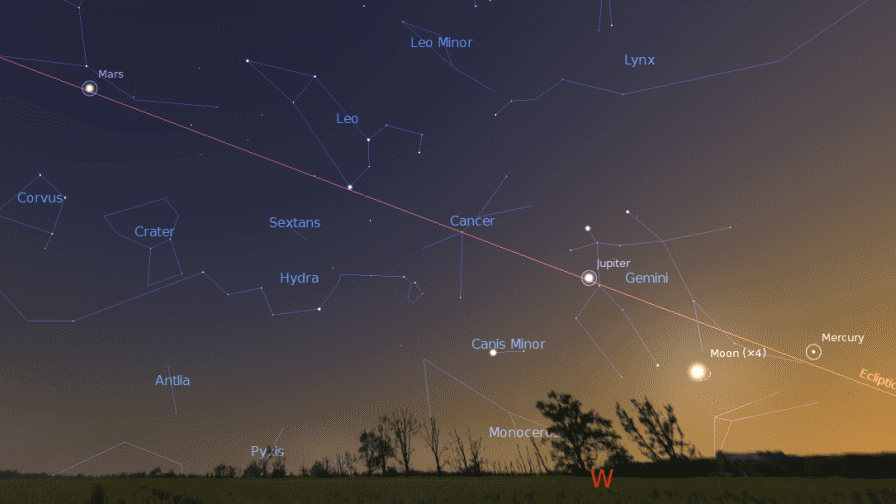 Check Out All Of The Visible Planets While You Can Night Sky Network From nightsky.jpl.nasa.gov
It is visible in the morning in the eastern sky at dawn from Jan. Have you seen the super-bright planet Venus lately. Visible around sunset only. Venus is visible by day but may be hard to find. Venus is always brilliant and shining with a steady silvery light. Jupiter is in western Aquarius rising around 3 am.
After the new moon phase Earths celestial night-light will return to shine in the western evening sky.
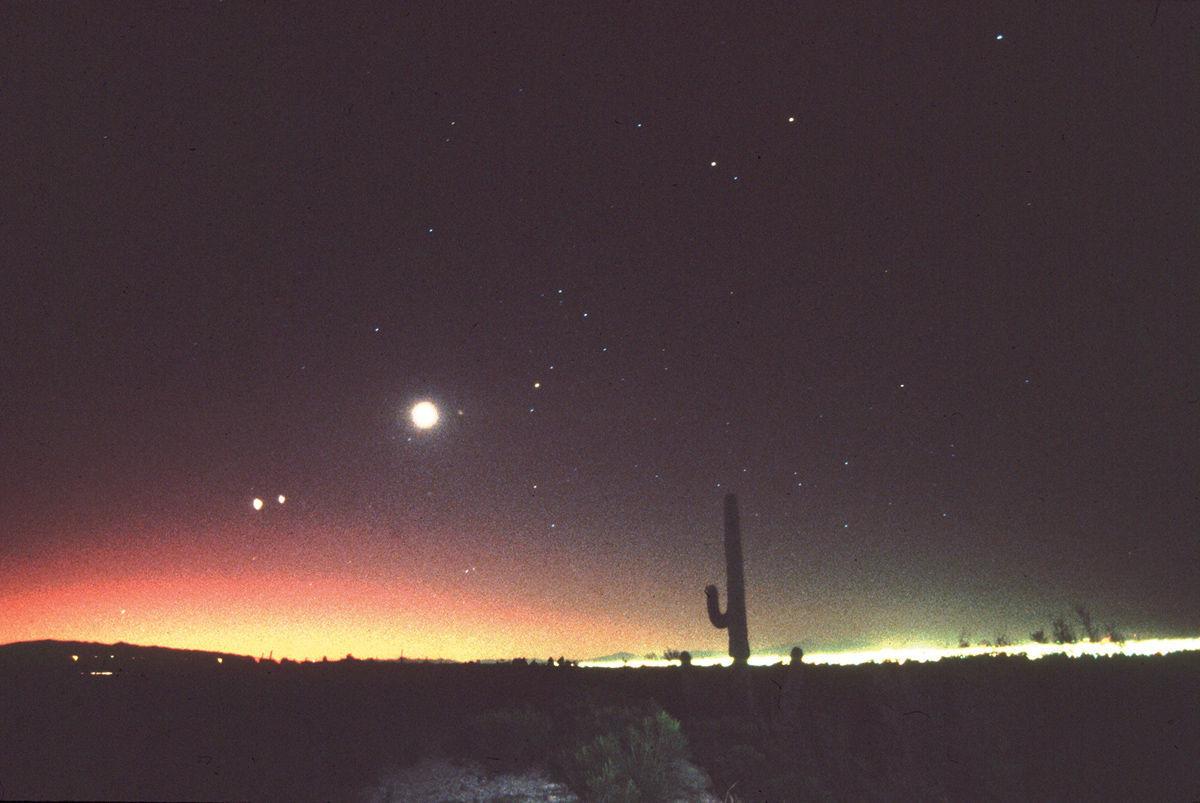
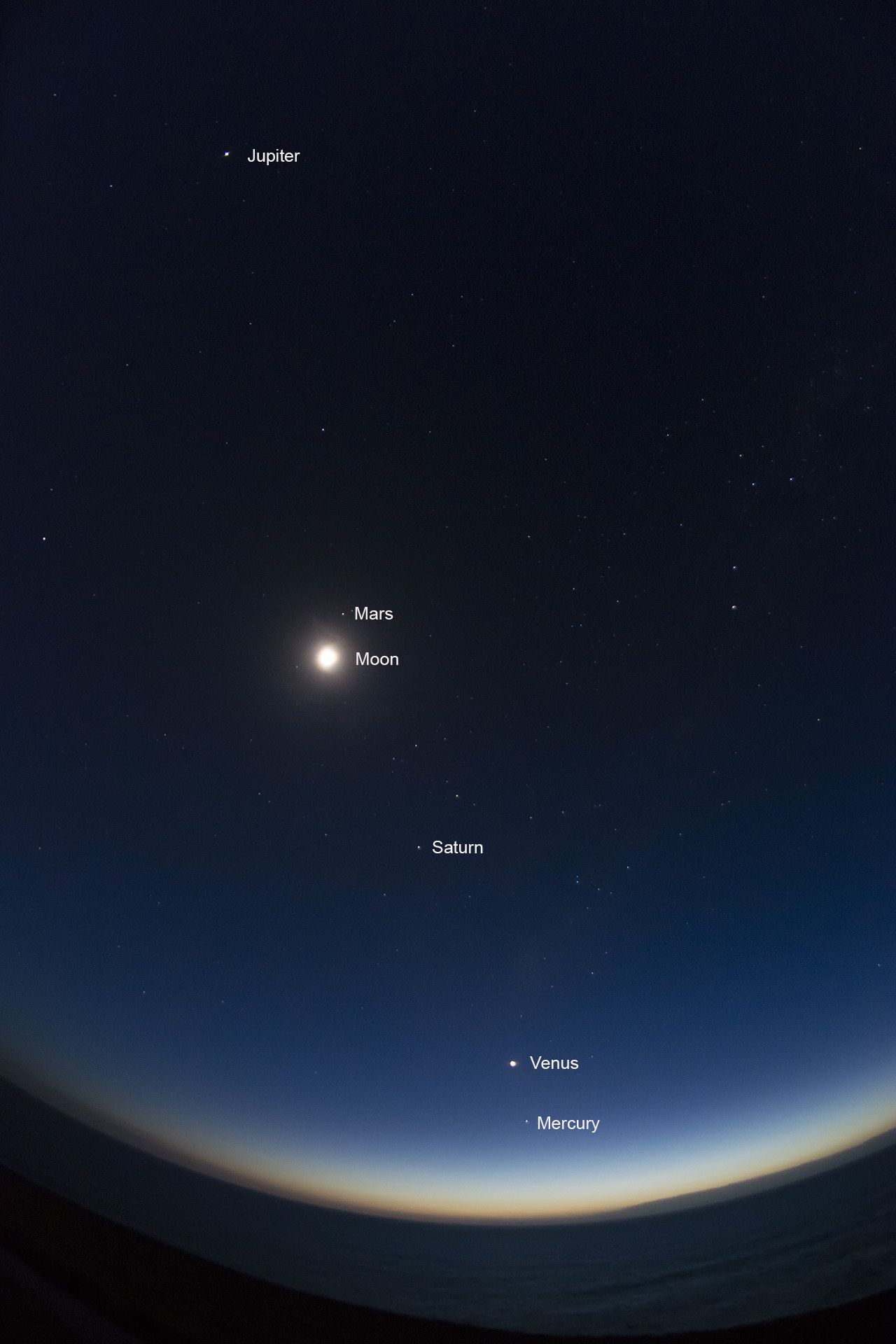
Venus is visible by day but may be hard to find. Visible around sunset only. Venus is visible by day but may be hard to find. The planet in Taurus can be spotted from the start of the month if you have a clear unobstructed WNW horizon. Over the next two weeks for the first time in more than a decade you can see all of the naked-eye visible planets from Mercury to Saturn together in the predawn sky. Venus reached its highest point in the morning sky on September 1.
 Source: tucson.com
It is likely to be easiest to see in the second week of May in the run-up to Greatest Elongation East when it will. Visible around sunset only. Venus is visible by day but may be hard to find. If you follow celestial comings and goings at all you know that bright planets have been largely missing from the evening sky for a few months. Sadly its not ever going to be possible for you to see all eight planets Mercury Venus Earth Mars Jupiter Saturn Uranus and Neptune in the night sky at.
 Source: pinterest.com
The planet in Taurus can be spotted from the start of the month if you have a clear unobstructed WNW horizon. It is likely to be easiest to see in the second week of May in the run-up to Greatest Elongation East when it will. Venus is always brilliant and shining with a steady silvery light. Daylight saving time on May 1 and shortly after 1 am. Visible around sunset only.
 Source: wikihow.com
Venus is visible by day but may be hard to find. In fact it will reach its absolute brightest on 28 April yes it will get even brighter than it already is if only slightly. Fairly close to the Sun. If you follow celestial comings and goings at all you know that bright planets have been largely missing from the evening sky for a few months. The planet in Taurus can be spotted from the start of the month if you have a clear unobstructed WNW horizon.
 Source: pinterest.com
Click here for a lovely photo of the quartet and Moon taken by over the Rome skyline by astronomer Gianluca Masi. It dominates the pre-dawn sky as a brilliant morning star. Sadly its not ever going to be possible for you to see all eight planets Mercury Venus Earth Mars Jupiter Saturn Uranus and Neptune in the night sky at. It appears in the evening in the western sky at dusk. Venus is just 11 degrees from the Sun in the sky so it is difficult to see.
 Source: br.pinterest.com
Visible around sunset only. Visible around sunset only. Fairly close to the Sun. Venus is visible by day but may be hard to find. Venus reached its highest point in the morning sky on September 1.
 Source: pinterest.com
After the new moon phase Earths celestial night-light will return to shine in the western evening sky. Visible around sunset only. Fairly close to the Sun. During the month Jupiter brightens from magnitude -22 to. After you find Venus just turn completely around and youll see Mars close to the western horizon.
Source: nightsky.jpl.nasa.gov
Have you seen the super-bright planet Venus lately. At a magnitude of -408 Venus is still the brightest speck of light in the night sky after the Moon. It dominates the pre-dawn sky as a brilliant morning star. In fact it will reach its absolute brightest on 28 April yes it will get even brighter than it already is if only slightly. Sadly its not ever going to be possible for you to see all eight planets Mercury Venus Earth Mars Jupiter Saturn Uranus and Neptune in the night sky at.
 Source: pinterest.com
Visible around sunset only. At a magnitude of -408 Venus is still the brightest speck of light in the night sky after the Moon. Venus is just 11 degrees from the Sun in the sky so it is difficult to see. Venus reached its highest point in the morning sky on September 1. It appears in the evening in the western sky at dusk.
 Source: de.pinterest.com
Venus is just 12 degrees from the Sun in the sky so it is difficult to see. Venus is visible by day but may be hard to find. It is visible in the morning in the eastern sky at dawn from Jan. It is likely to be easiest to see in the second week of May in the run-up to Greatest Elongation East when it will. At a magnitude of -408 Venus is still the brightest speck of light in the night sky after the Moon.
 Source: timeanddate.com
Fairly close to the Sun. During the month Jupiter brightens from magnitude -22 to. At a magnitude of -408 Venus is still the brightest speck of light in the night sky after the Moon. The planet is visible in the dawn sky rising about 3 hours before the Sun. It is likely to be easiest to see in the second week of May in the run-up to Greatest Elongation East when it will.
 Source: pinterest.com
Venus reached its highest point in the morning sky on September 1. During the month Jupiter brightens from magnitude -22 to. In fact it will reach its absolute brightest on 28 April yes it will get even brighter than it already is if only slightly. Look for Venus first then Jupiter Saturn and Mars as twilight gives way to nightfall. Wednesday May 12 Crescent moon kisses Venus after sunset.
 Source: pinterest.com
Venus is just 11 degrees from the Sun in the sky so it is difficult to see. Visible around sunset only. During the month Jupiter brightens from magnitude -22 to. Venus is visible by day but may be hard to find. Its magnitude is -11 on 1 May and though it gradually fades over subsequent days it will move higher in the sky making it easier to spot in the fading twilight.
 Source: pinterest.com
But most of us do our star gazing in the evening sky and since new moon is Saturday this. It dominates the pre-dawn sky as a brilliant morning star. Venus is always brilliant and shining with a steady silvery light. If you follow celestial comings and goings at all you know that bright planets have been largely missing from the evening sky for a few months. Sadly its not ever going to be possible for you to see all eight planets Mercury Venus Earth Mars Jupiter Saturn Uranus and Neptune in the night sky at.
 Source: de.pinterest.com
Its hard to miss from the northern hemisphere at the moment where its visible right after sunset hanging in. During the month Jupiter brightens from magnitude -22 to. Visible around sunset only. That bright Evening Star is actually a planet Venus and from the Northern Hemisphere it will be visible in the evening sky all through the rest of April and into May. It appears in the evening in the western sky at dusk.
 Source: pinterest.com
Venus reached its highest point in the morning sky on September 1. That bright Evening Star is actually a planet Venus and from the Northern Hemisphere it will be visible in the evening sky all through the rest of April and into May. Venus is just 11 degrees from the Sun in the sky so it is difficult to see. If you follow celestial comings and goings at all you know that bright planets have been largely missing from the evening sky for a few months. This weekend Venus should appear in the western sky at sunset weather permitting and should be visible as a dazzling skywatching target nearly.
 Source: pinterest.com
Click here for a lovely photo of the quartet and Moon taken by over the Rome skyline by astronomer Gianluca Masi. Venus is just 12 degrees from the Sun in the sky so it is difficult to see. Daylight saving time on May 1 and shortly after 1 am. Venus is visible by day but may be hard to find. The planet in Taurus can be spotted from the start of the month if you have a clear unobstructed WNW horizon.
 Source: pinterest.com
Look for Venus first then Jupiter Saturn and Mars as twilight gives way to nightfall. It is visible in the morning in the eastern sky at dawn from Jan. Venus is just 11 degrees from the Sun in the sky so it is difficult to see. Venus is visible by day but may be hard to find. After you find Venus just turn completely around and youll see Mars close to the western horizon.
 Source: pinterest.com
After the new moon phase Earths celestial night-light will return to shine in the western evening sky. Sadly its not ever going to be possible for you to see all eight planets Mercury Venus Earth Mars Jupiter Saturn Uranus and Neptune in the night sky at. The planet is visible in the dawn sky rising about 3 hours before the Sun. Fairly close to the Sun. The easiest planets to view are visible across the early evening sky from west to southeast.
This site is an open community for users to submit their favorite wallpapers on the internet, all images or pictures in this website are for personal wallpaper use only, it is stricly prohibited to use this wallpaper for commercial purposes, if you are the author and find this image is shared without your permission, please kindly raise a DMCA report to Us.
If you find this site adventageous, please support us by sharing this posts to your favorite social media accounts like Facebook, Instagram and so on or you can also bookmark this blog page with the title what planet is visible in the western sky by using Ctrl + D for devices a laptop with a Windows operating system or Command + D for laptops with an Apple operating system. If you use a smartphone, you can also use the drawer menu of the browser you are using. Whether it’s a Windows, Mac, iOS or Android operating system, you will still be able to bookmark this website.


